
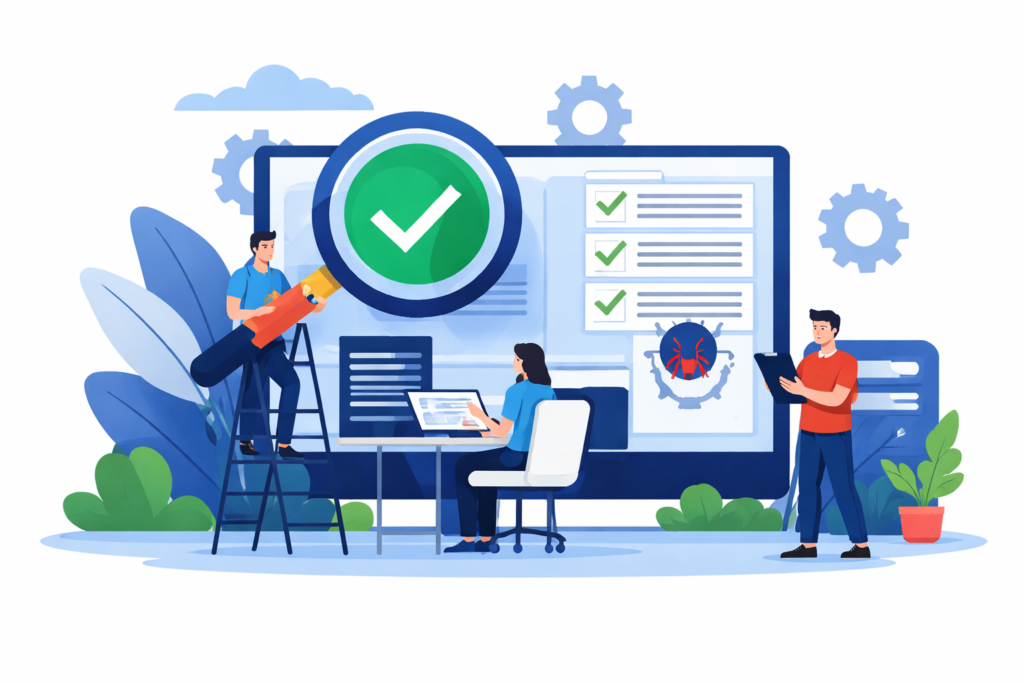
In today’s digital-first world, software touches almost every part of our lives. From mobile banking apps to healthcare systems and e-commerce platforms, users expect software to work smoothly, securely, and consistently. Even a small defect can cause data loss, financial damage, or a complete loss of user trust. This is where Software Quality Assurance (SQA) becomes critical. SQA is not just a phase at the end of development; it is a structured approach that ensures software meets defined standards throughout its lifecycle. Reliable software is never an accident—it is the result of strong quality assurance practices. In many ways, SQA acts as the backbone that supports stability, performance, and user satisfaction. Without it, software may function temporarily, but it rarely stands the test of time.
Understanding Software Quality Assurance
Software Quality Assurance is a systematic process that focuses on preventing defects rather than just finding them. It involves defining standards, processes, and methodologies that guide the development team toward building high-quality software. Unlike simple testing, which checks the product after development, SQA is embedded throughout the entire software development lifecycle.
SQA ensures that every activity—from requirement analysis to deployment—follows predefined quality standards. It emphasizes process improvement, documentation, and continuous monitoring. By doing so, teams can identify risks early, reduce rework, and maintain consistency across releases. This proactive approach saves time, cost, and effort while improving overall software reliability.
The Role of SQA in Building Reliable Software
Reliable software behaves as expected under different conditions and continues to perform well over time. SQA plays a direct role in achieving this reliability. It enforces structured workflows that reduce uncertainty and human error during development.
By applying best practices, coding standards, and validation checks, SQA ensures that software components integrate smoothly. It also promotes clear communication between developers, testers, and stakeholders. When teams work with a shared understanding of quality goals, the final product becomes more stable and predictable. Reliability is not just about fewer bugs; it is about building confidence that the system will perform consistently in real-world scenarios.
Preventing Defects Early in the Development Lifecycle
One of the strongest advantages of Software Quality Assurance is early defect prevention. Fixing issues during the requirement or design phase is far less expensive than addressing them after deployment. SQA introduces reviews, audits, and validation activities at every stage to catch potential problems early.
Early prevention reduces the risk of major failures later. It also helps teams avoid rushed fixes that can introduce new bugs. When defects are prevented instead of patched, software becomes more robust and easier to maintain. This proactive mindset makes SQA an essential pillar of long-term reliability.
Enhancing User Experience Through Quality Assurance
User experience is closely tied to software quality. Users expect applications to be fast, intuitive, and error-free. Even minor glitches can frustrate users and push them toward competitors. SQA ensures that software meets usability, performance, and accessibility standards before it reaches users.
Through continuous evaluation and testing, SQA teams identify pain points that could affect user satisfaction. They verify workflows, error handling, and system responses under different conditions. As a result, the software feels more polished and trustworthy. A positive user experience builds loyalty, and SQA plays a central role in making that happen.
Ensuring Security and Compliance
Security is a major concern in modern software systems. Data breaches and compliance failures can cause severe legal and financial consequences. Software Quality Assurance integrates security checks and compliance requirements into the development process.
SQA ensures that secure coding practices are followed and that vulnerabilities are addressed early. It also verifies compliance with industry regulations, such as data protection and privacy standards. By embedding security into quality assurance, organizations reduce the risk of cyber threats and build safer software. Reliable software must be secure, and SQA provides the structure needed to achieve that security.
Reducing Development and Maintenance Costs
Many organizations mistakenly believe that SQA slows down development and increases costs. In reality, it does the opposite. By preventing defects early and improving process efficiency, SQA significantly reduces long-term expenses.
Software with fewer defects requires less maintenance and fewer emergency fixes. It also reduces downtime and support costs after release. Over time, the investment in quality assurance pays off by delivering stable software that evolves smoothly. Cost efficiency is one of the hidden strengths of SQA, making it a smart business decision.
Supporting Agile and DevOps Environments
Modern development teams often work in Agile and DevOps environments where speed and flexibility are critical. SQA adapts well to these models by promoting continuous quality checks and automation.
In Agile projects, SQA ensures that each iteration meets quality standards before moving forward. In DevOps, it supports continuous integration and continuous delivery pipelines. Automated testing, code reviews, and monitoring help teams release updates faster without sacrificing reliability. SQA acts as a stabilizing force that balances speed with quality in fast-paced development cycles.
Improving Team Collaboration and Accountability
Quality assurance is not the responsibility of a single team; it is a shared commitment. SQA promotes collaboration by clearly defining roles, responsibilities, and expectations. When quality standards are transparent, teams work more cohesively.
Developers understand coding guidelines, testers follow structured test plans, and managers track quality metrics. This alignment reduces misunderstandings and improves accountability. Strong collaboration leads to fewer errors and better decision-making. Reliable software is often the result of well-coordinated teams guided by effective SQA practices.
Measuring and Improving Software Quality
Another critical function of SQA is measurement. Quality cannot be improved without being measured. SQA introduces metrics such as defect density, test coverage, and process efficiency to evaluate performance.
These metrics help teams identify weaknesses and areas for improvement. Over time, continuous measurement leads to refined processes and higher-quality outcomes. By focusing on data-driven decisions, SQA ensures that quality improvement is not based on guesswork. This structured approach strengthens software reliability with every release.
Building Trust with Stakeholders and Customers
Trust is a valuable asset in software development. Clients and users expect software to deliver on its promises. When systems fail, trust erodes quickly. Software Quality Assurance helps build and maintain that trust.
By delivering consistent, high-quality software, organizations demonstrate professionalism and reliability. Stakeholders gain confidence in timelines, budgets, and outcomes. Customers feel secure using the product, knowing it has been thoroughly validated. In competitive markets, trust can be a deciding factor, and SQA plays a major role in earning it.
Adapting to Change Without Compromising Quality
Software systems constantly evolve to meet new requirements and technologies. Change introduces risk, but SQA provides a framework to manage that risk effectively. Through impact analysis, regression testing, and controlled processes, SQA ensures that updates do not break existing functionality.
This adaptability allows organizations to innovate while maintaining stability. Reliable software must grow without losing quality, and SQA makes that possible. It creates a balance between innovation and consistency, which is essential in dynamic environments.
Conclusion: Why SQA Truly Is the Backbone of Reliable Software
Software Quality Assurance is far more than a supporting function—it is the foundation that holds reliable software together. From preventing defects and enhancing user experience to ensuring security and reducing costs, SQA influences every aspect of software development. It provides structure, clarity, and discipline in an otherwise complex process.
Reliable software does not happen by chance. It is built through careful planning, continuous evaluation, and a strong commitment to quality. SQA connects all these elements into a cohesive system that supports long-term success. As software continues to shape businesses and daily life, the importance of Software Quality Assurance will only grow. Organizations that treat SQA as the backbone of development will consistently deliver software that users can trust and rely on.